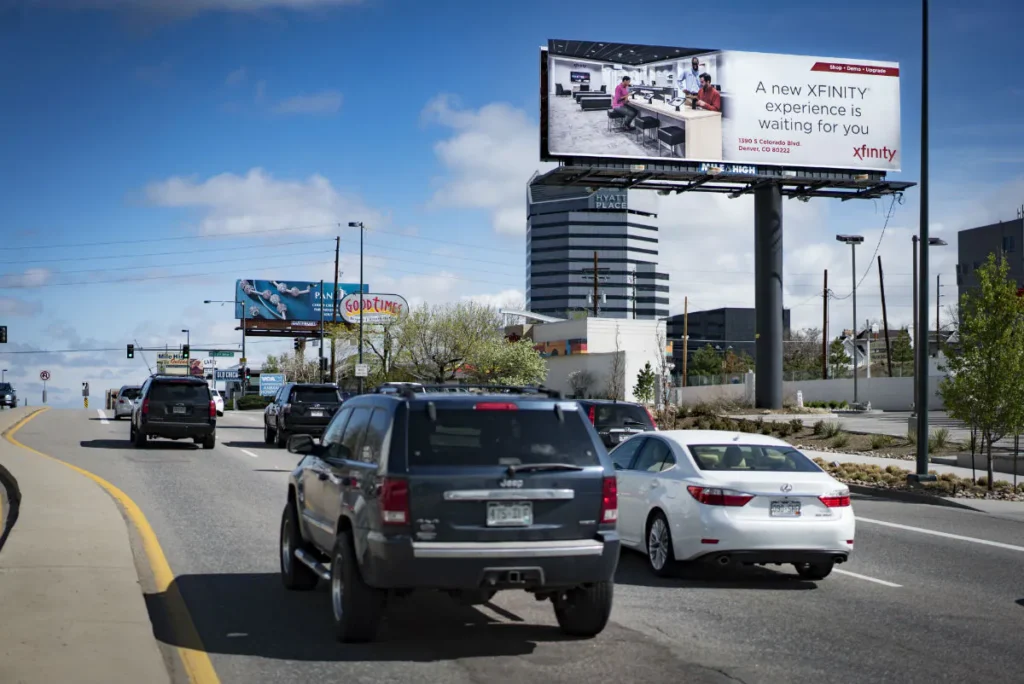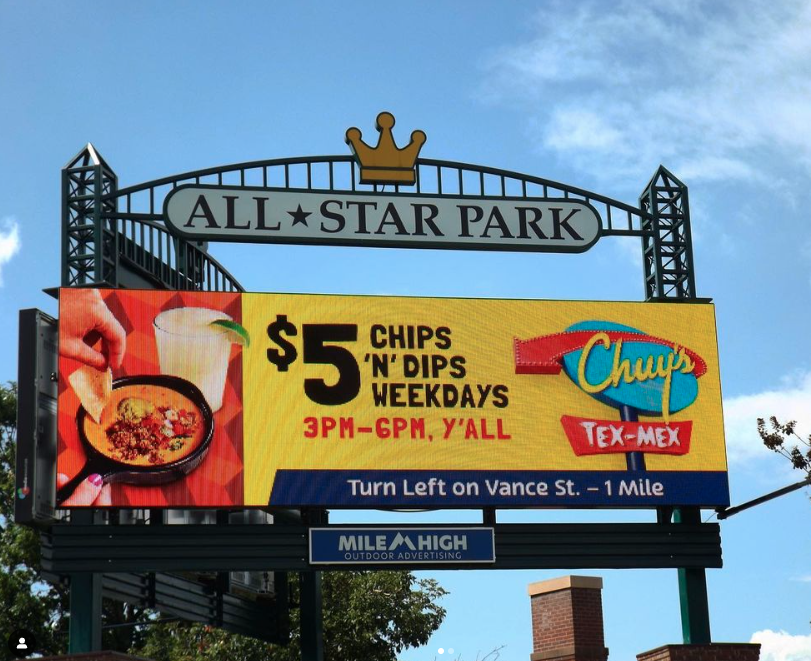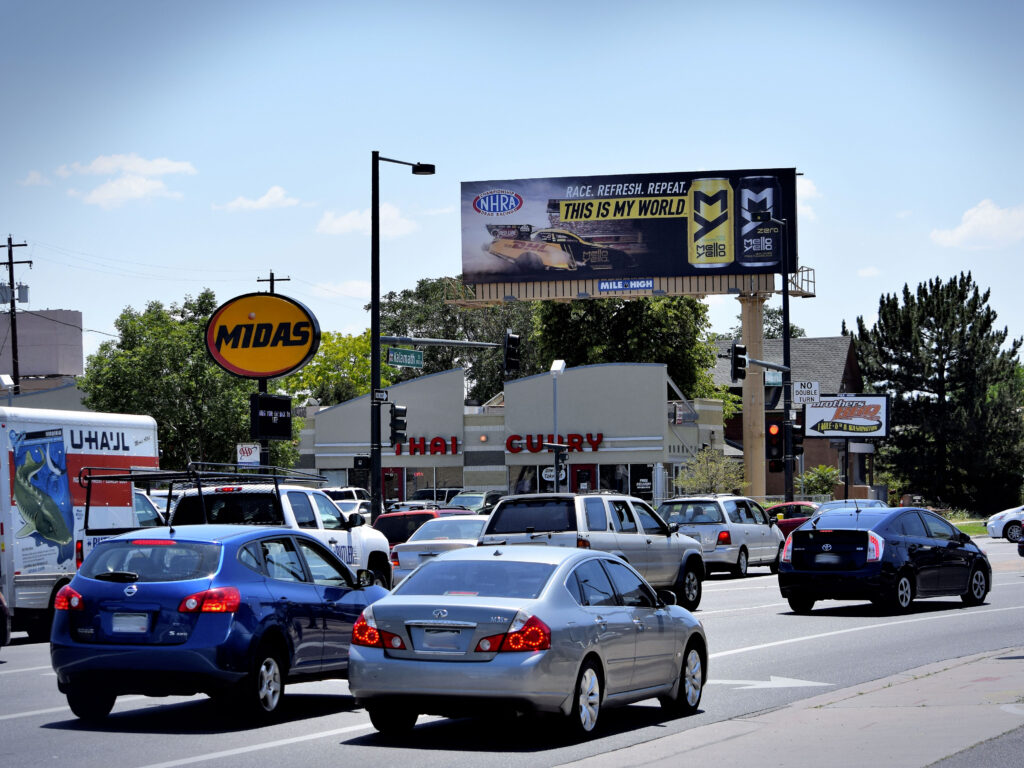
Planning a billboard campaign in Colorado starts with six steps: define your goals, identify your audience, choose the right locations, select your format, set your budget and timeline, and design creative that communicates in seconds. Colorado’s diverse geography — from dense urban corridors in Denver to mountain highways and growing mid-size markets like Pueblo and Grand Junction — means the right strategy looks different depending on who you’re trying to reach and where they’re moving.
This guide walks through each step in detail, with Colorado-specific considerations built into the process rather than treated as an afterthought.
At a Glance: The 6 Steps
- Define your campaign goals
- Identify your target audience
- Choose the right locations
- Select your billboard format
- Set your budget and timeline
- Design creative that works in seconds
Step 1: Define Your Campaign Goals
Every strong billboard campaign starts with a clear answer to one question: what does success look like? The answer shapes every decision that follows — where you place, what format you choose, how long you run, and what your creative says.
Common goals for Colorado billboard campaigns include:
- Brand awareness. Building name recognition in a market over time — especially effective for businesses entering a new Colorado city or competing in a crowded category.
- Event or promotion. Driving attention to a time-sensitive campaign, seasonal sale, or upcoming event. Digital boards are particularly well-suited here.
- Location-based traffic. Directing people to a physical location — a storefront, showroom, restaurant, or service area. Placement close to the destination matters most.
- Product or service launch. Announcing something new to a broad audience quickly. OOH creates mass awareness faster than most digital channels in a local market.
- Market penetration. Establishing presence in a specific Colorado city or corridor where your brand isn’t yet well known.
Planning tip: If you have more than one goal, prioritize one as the primary. Billboards communicate one message effectively — trying to accomplish two things at once usually means accomplishing neither well.
Step 2: Identify Your Target Audience
Colorado’s audience varies significantly by region, corridor, and season — and understanding that variation is what separates a well-planned campaign from one that just puts a billboard somewhere and hopes for the best.
Urban Commuter Audiences
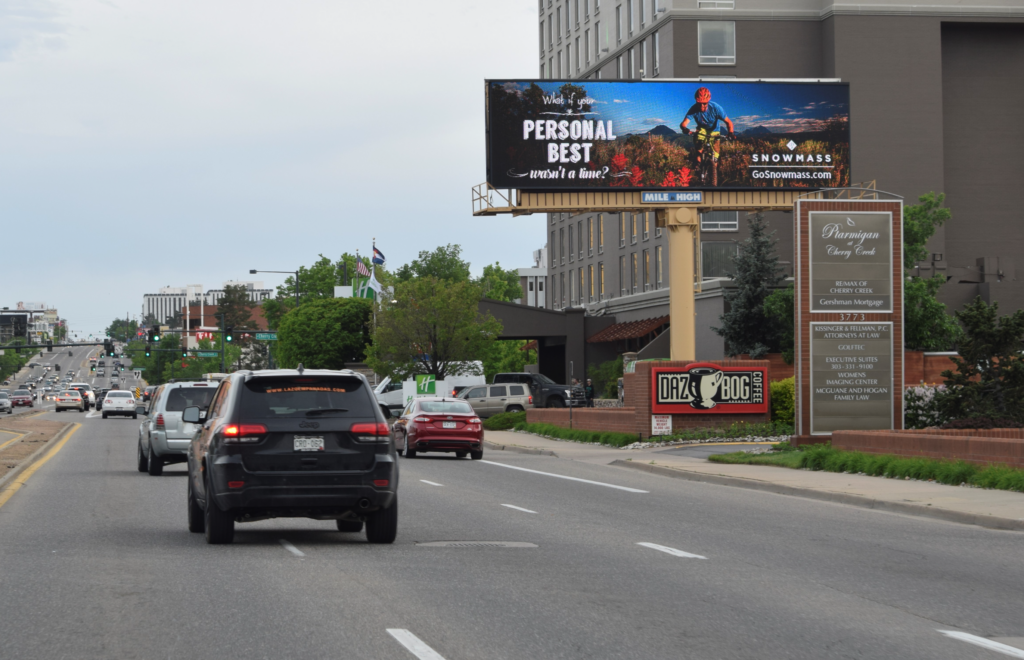
The Denver metro, Colorado Springs, and Boulder are home to large commuter populations moving predictably along I-25, I-70, US-36, and their connecting surface streets. These audiences are exposed to the same corridors repeatedly throughout the week, which means frequency builds quickly — and brand recall follows.
Seasonal and Tourist Traffic
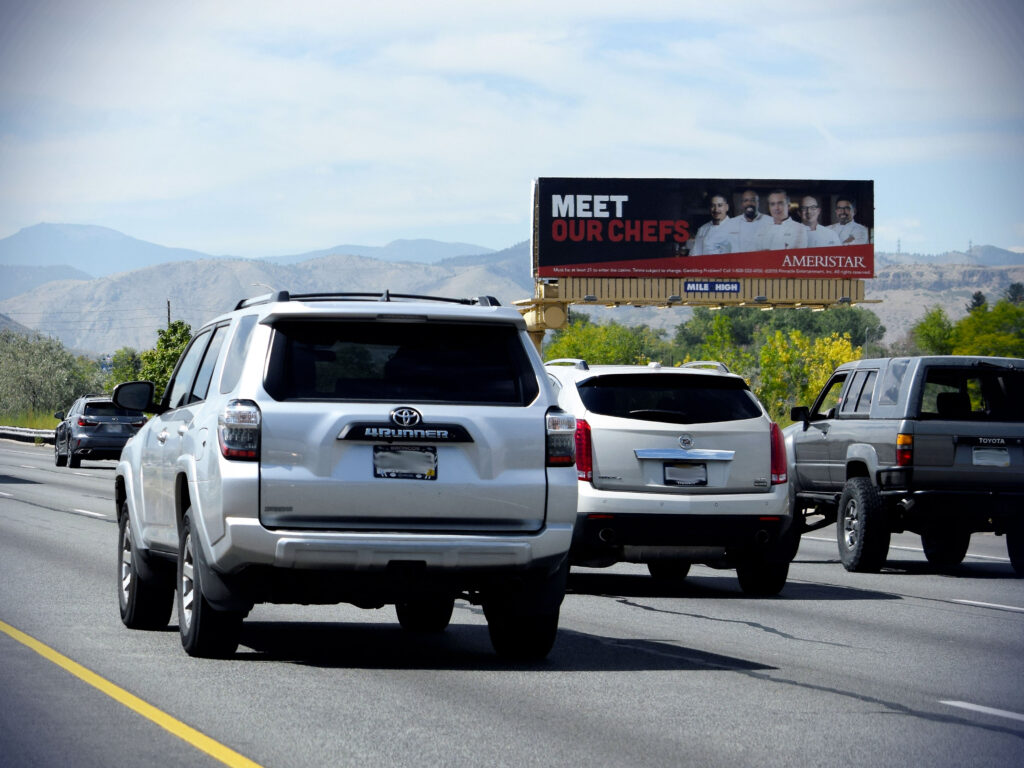
Colorado’s mountain corridors — I-70 west of Denver, US-24, CO-9, and Highway 82 — carry dramatically different audiences depending on the time of year. Winter brings ski tourists heading to Vail, Breckenridge, Keystone, and Steamboat. Summer shifts to hikers, campers, music festival attendees, and road-trippers. If your business is seasonally dependent or tourism-adjacent, timing your campaign to match traffic peaks is as important as location selection.
Local and Community Audiences
Smaller markets like Pueblo, Grand Junction, Salida, Limon, Sterling, and Craig have their own distinct audience profiles. Neighborhood-level targeting through junior posters and local arterial placements reaches these communities effectively without the cost of a major interstate buy.
Colorado insight: Seasonality in Colorado isn’t just a mountain phenomenon. Summer event culture in Denver, fall harvest tourism in the San Luis Valley, and winter holiday retail all create seasonal spikes worth building campaigns around in urban markets too.
Step 3: Choose the Right Billboard Locations
Location is the single most important variable in outdoor advertising. A well-designed billboard in the wrong location will underperform every time. The goal is to put your message where your audience already is — not where it’s convenient or available.
High-Impact Colorado Corridors
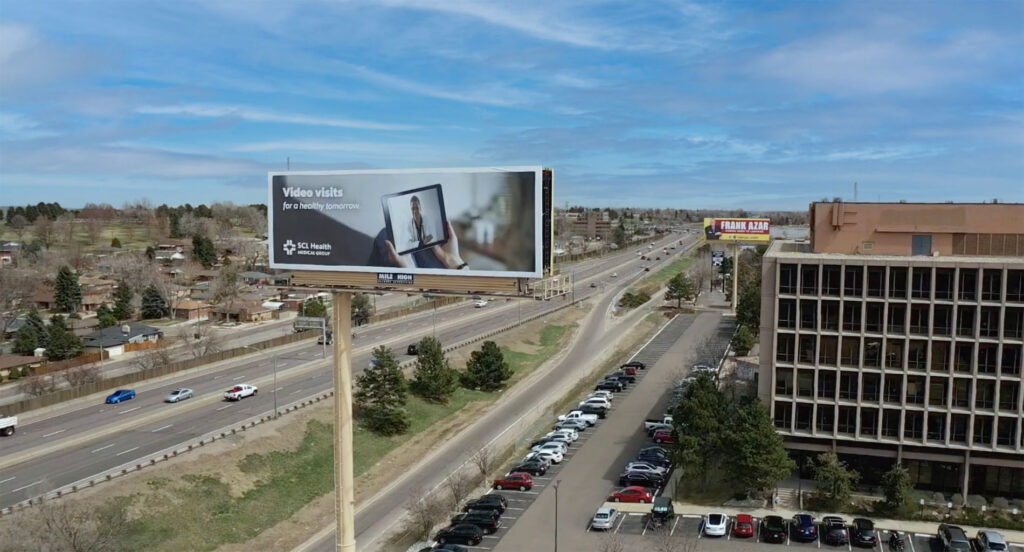
- I-25 (Denver to Colorado Springs). The state’s primary north-south spine carries some of the highest daily traffic volumes in Colorado. Strong for brands targeting commuters, professionals, and consumers across the Front Range.
- I-70 (Denver to the mountains and DIA). Dual-purpose: eastbound traffic serves Denver International Airport, while westbound serves mountain recreation destinations. Effective for travel, hospitality, outdoor recreation, retail, and lifestyle brands.
- US-36 (Denver to Boulder). A heavily traveled tech and professional corridor connecting two of Colorado’s most educated and high-income markets.
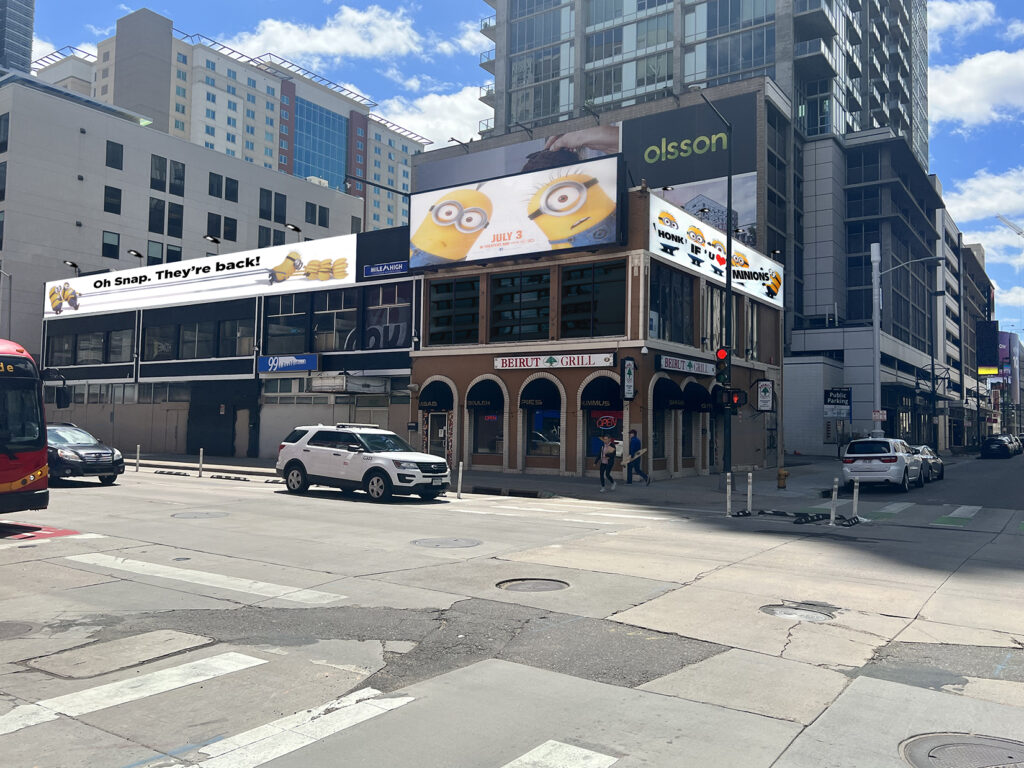
- Downtown Denver and urban districts. High pedestrian density, mixed commercial and entertainment environment, strong for consumer brands, events, and businesses targeting a younger professional audience.
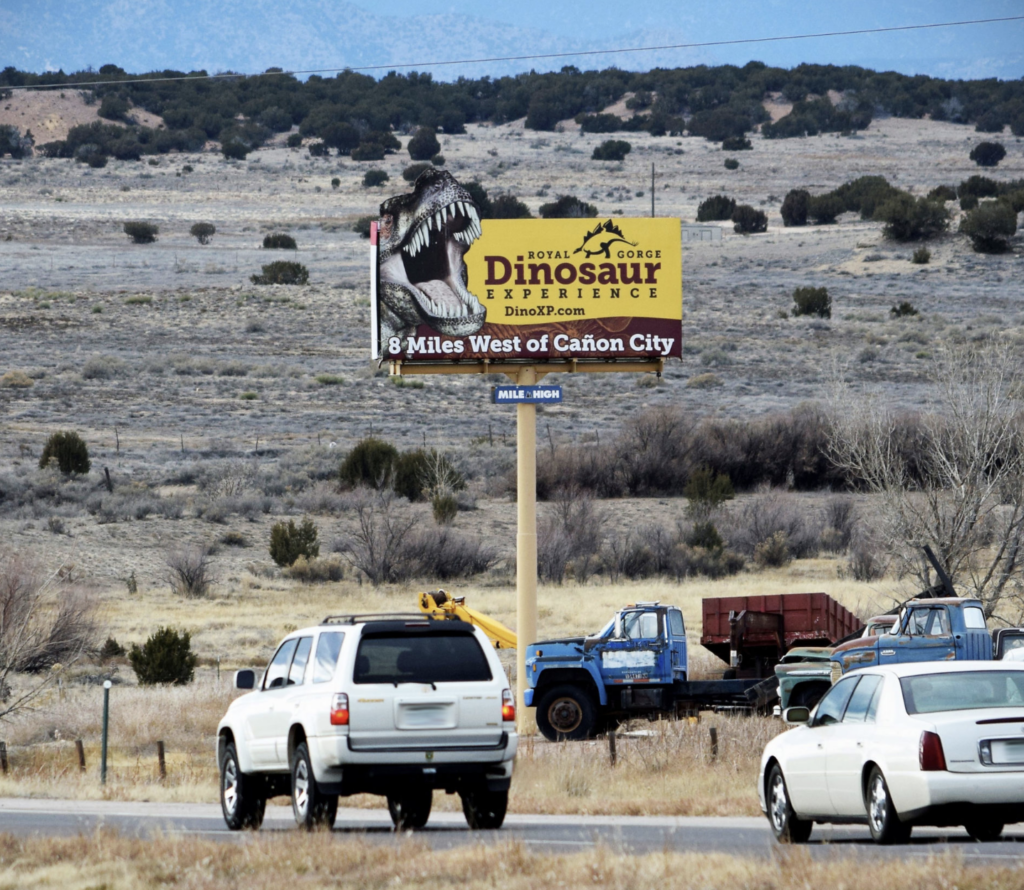
- Secondary and suburban corridors. Growing communities in Northern Colorado, the Pikes Peak region, and the Western Slope offer strong local reach at a different price point than the major interstate buys.
Geography and Visibility Factors
Colorado’s terrain creates some unique visibility considerations that don’t come up in flatter states. Mountain roads naturally slow traffic, which extends dwell time — a billboard on a winding highway gets looked at longer than one on a straight urban interstate. Elevation, sun angle, and seasonal lighting also affect how your creative reads at different times of day and year. Mile High Outdoor’s local team accounts for these factors when recommending specific placements.
Step 4: Select the Right Billboard Format
Colorado’s outdoor advertising market offers several formats, each suited to different campaign goals. Choosing the right one — or the right combination — is a meaningful strategic decision.
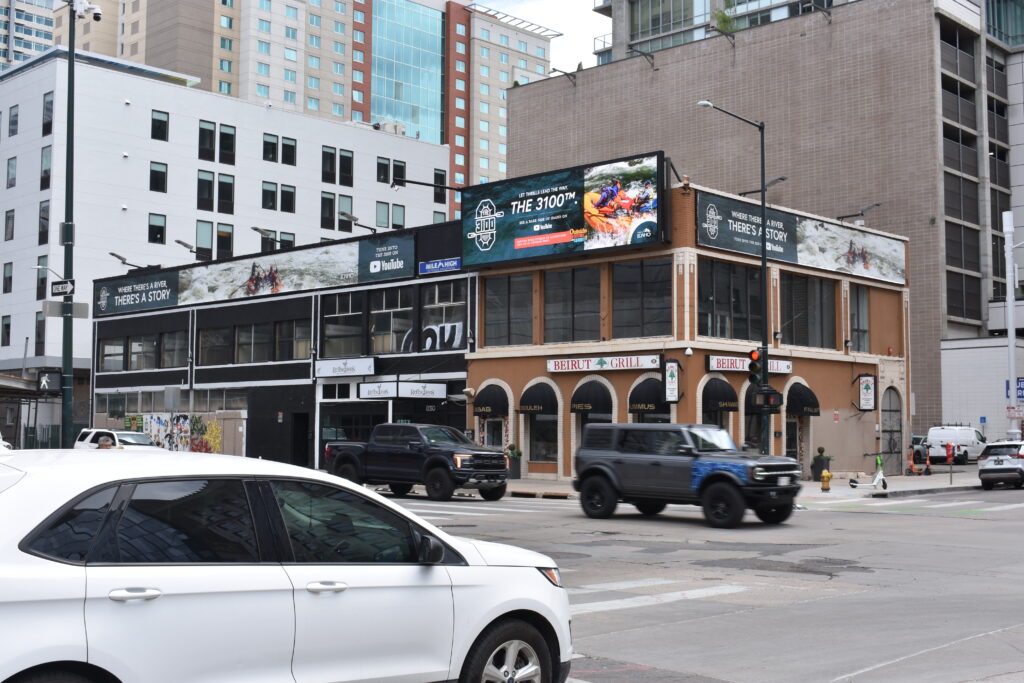
- Digital Billboards. LED screens that rotate through multiple advertisers. Best for time-sensitive campaigns, promotions, event advertising, and any situation where you need to launch quickly or update your message mid-campaign. Dayparting — running different creative at different times of day — is also available on digital boards, which can be especially useful for restaurant, retail, or commuter-focused campaigns.
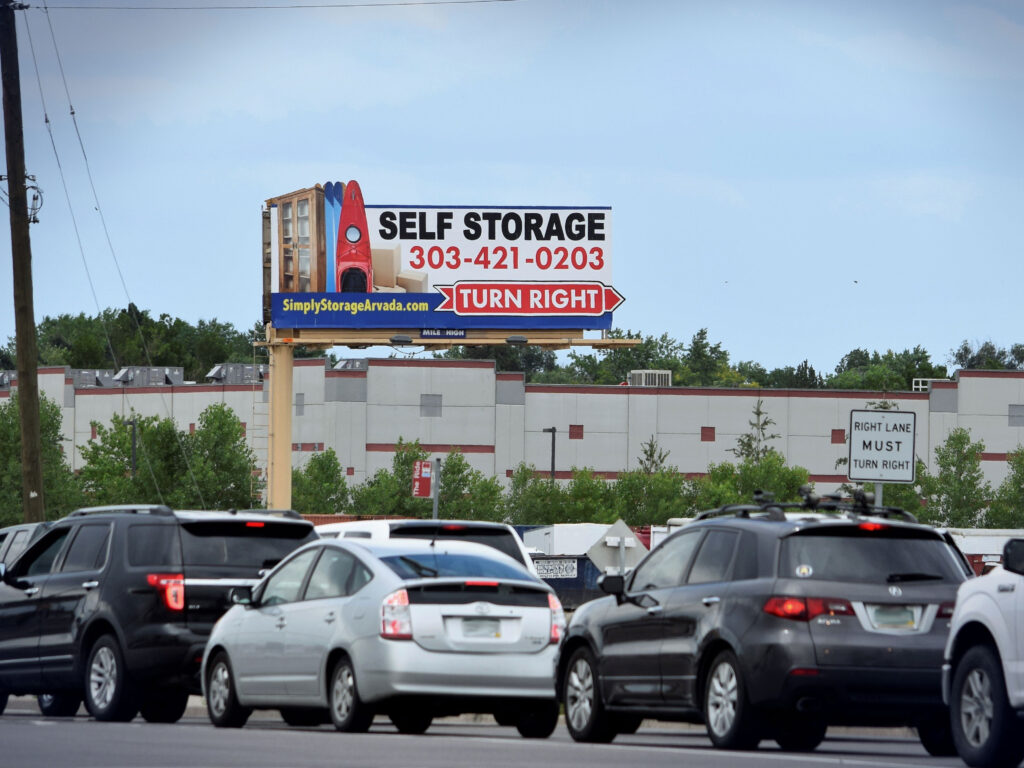
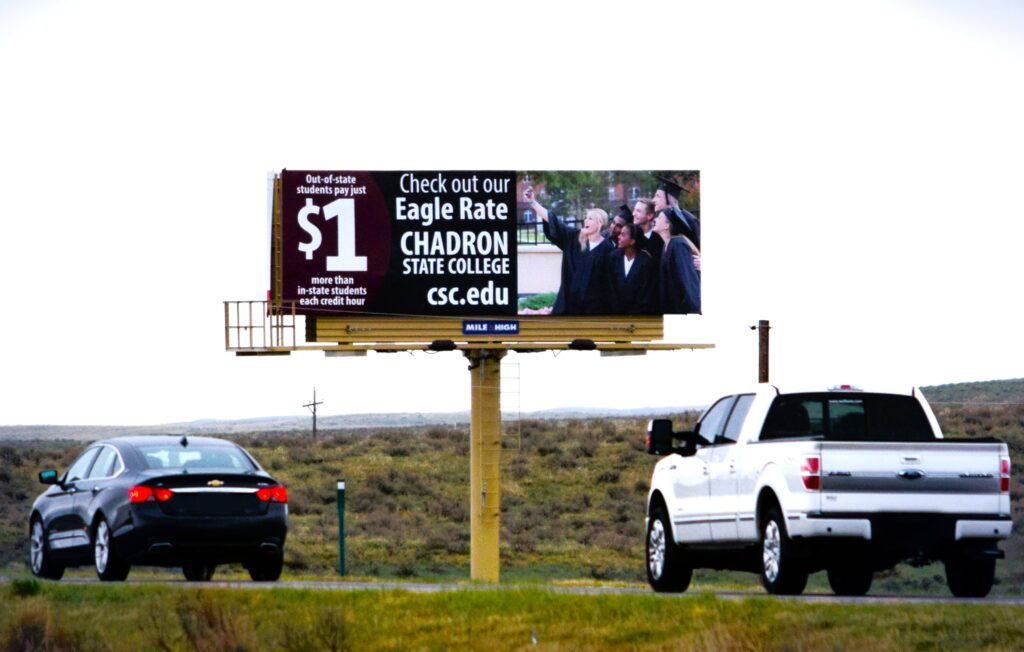
- Static Bulletins. Single-advertiser printed vinyl. Best for long-running brand awareness campaigns where consistent, exclusive presence matters. A static board on a high-traffic corridor means your message is the only one drivers see — no rotation, no competition for attention.
- Junior Posters. Smaller-format boards on neighborhood streets and local arterials. Best for hyper-local targeting, frequency within a specific community, and campaigns that want to reach people close to a physical location. Often the most cost-effective entry point for local businesses.
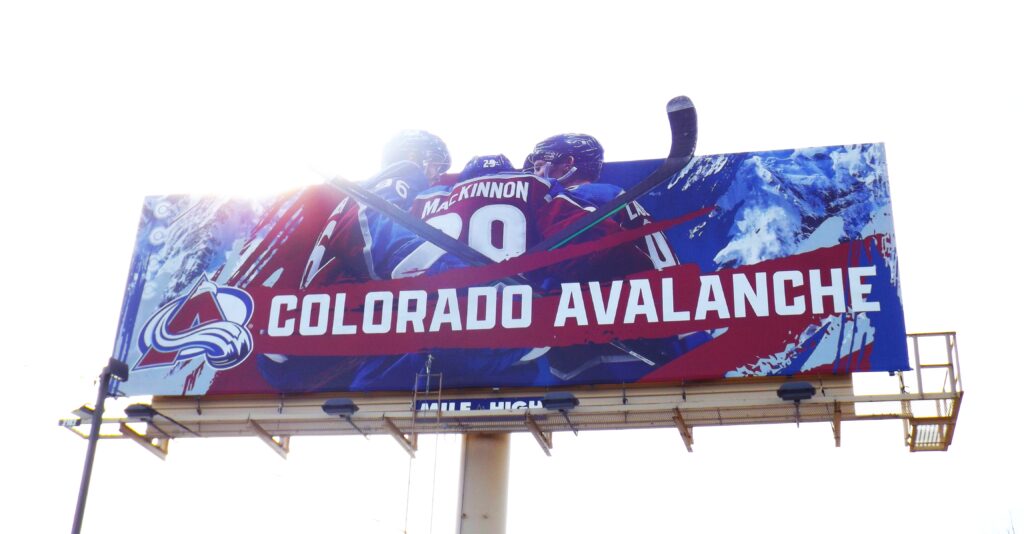
- Spectaculars. Large-format, high-impact placements in premium locations. Best for grand openings, major brand campaigns, and moments where you want to make a strong impression in a high-visibility location. Mile High Outdoor’s Spectacular inventory in Colorado includes some of the most prominent placements in the state.
Many Colorado campaigns combine formats — for example, a static bulletin on I-25 for sustained brand presence paired with a digital board for a seasonal promotion. Your Mile High Outdoor representative can help you model what a multi-format approach looks like for your goals and budget.
Step 5: Set Your Budget and Timeline
Billboard advertising in Colorado is available across a wide range of budgets, from local neighborhood placements to premium interstate inventory. Rather than quoting rates that won’t reflect your specific goals and location preferences, we think a direct conversation is always more useful — pricing depends on too many variables to be meaningful without context.
Timeline Guidance
- Minimum effective run: 4 weeks. Outdoor advertising builds recall through repetition. A single week of exposure rarely generates the frequency needed for your audience to remember the message.
- Standard campaign: 4–8 weeks. This is the most common range for promotional and event-driven campaigns. It provides enough frequency to build recognition without a long-term commitment.
- Brand awareness campaigns: 8–12 weeks or longer. The longer your message is in market, the deeper the brand association becomes. Many Colorado advertisers run continuously for 3 to 6 months for this reason.
Timing Around Colorado Seasonality
Because Colorado’s traffic patterns shift meaningfully by season, when you run matters alongside how long. For mountain-adjacent campaigns, aligning your run with peak ski or summer travel season can significantly increase impressions. For Front Range urban campaigns, the fall and spring shoulder seasons often offer strong value. Planning your campaign timing with your Mile High Outdoor representative — rather than defaulting to whatever months happen to be convenient — is worth the conversation.
Budgeting insight: Longer campaign commitments typically offer better value per period than a series of short, disconnected buys. If you know you want to be in market across multiple periods, discuss that upfront — there may be ways to structure the buy that work better for both sides.
Step 6: Design Billboard Creative That Works in Seconds
In Colorado’s fast-moving traffic environments, you have roughly 3 to 5 seconds to communicate your message. Billboard creative is its own discipline — what works in a print ad, a social post, or a TV spot rarely translates directly to a 14×48 foot board at highway speed.
- Keep it to 6–8 words or fewer. The most effective billboards are often the most minimal. If a driver has to work to understand your message, they’ve already passed it.
- Lead with a bold visual. A strong image, high contrast, and a single dominant element draw the eye before a word is read. Your creative should work visually before it works verbally.
- One message, one call to action. Choose the single most important thing you want to communicate and commit to it. A phone number, a website, or a tagline — not all three.
- Make your brand unmistakable. Consistent use of brand colors, fonts, and logo placement builds recognition across multiple exposures. Drivers who see your board repeatedly should start recognizing it before they finish reading.
- Design for Colorado conditions. Think about how your creative reads against a mountain backdrop, in full Colorado sun, during a winter snowstorm, or at dusk. High contrast and simple compositions hold up across more conditions than busy or low-contrast designs.
Mile High Outdoor has worked with hundreds of Colorado advertisers across every industry and creative style. We’re happy to share what we’ve seen work in specific markets and corridors as you develop your campaign creative.
Launching and Optimizing Your Campaign
Once your campaign is live, the work isn’t over — but it’s also not complicated. Here’s what to watch:
- Track upstream indicators. Website traffic, phone call volume, and foot traffic during your campaign window give you a proxy read on performance, even if you can’t directly attribute every visit to the billboard.
- Update digital creative when the campaign calls for it. One of the advantages of digital boards is the ability to change your message without reprinting. If a promotion ends or a new offer launches, you can swap creative quickly.
- Note what’s working geographically. If you’re running in multiple locations, pay attention to whether you’re seeing stronger signals from specific markets or corridors. That informs where to reinvest or where to add placements.
- Plan your next period before this one ends. The best time to discuss extending or adjusting your campaign is before the current period closes — not after. Your Mile High Outdoor representative can advise on availability and timing.
Ready to Plan Your Colorado Billboard Campaign?
Mile High Outdoor operates more than 400 billboard faces across Colorado, with inventory in Denver, Colorado Springs, Pueblo, Grand Junction, Limon, Salida, Sterling, Cañon City, Craig, and Northern Colorado. Our team specializes in helping businesses of all sizes build outdoor campaigns that are grounded in strategy and built for real results.
Whether you’re planning your first billboard or adding Colorado to an existing media mix, we’d love to walk you through your options. Reach out at milehighoutdoor.com — most conversations take less than 15 minutes and give you a clear picture of what a Colorado billboard campaign can look like for your business.
Frequently Asked Questions
How long should a billboard campaign run in Colorado?
Most billboard campaigns in Colorado run for 4 to 8 weeks at minimum. Outdoor advertising works through repetition — audiences typically need to see a message multiple times before it registers. For brand awareness campaigns, 8 to 12 weeks is more effective. Many local businesses run campaigns continuously for 3 to 6 months to build sustained recognition.
What is the difference between digital and static billboards in Colorado?
Digital billboards rotate multiple advertisers on an LED screen, offer fast launch times, and allow creative to be updated instantly — making them ideal for promotions, events, and time-sensitive campaigns. Static billboards display a single printed advertisement exclusively, providing constant visibility and strong brand presence for longer-running campaigns. Both formats are effective; many Colorado advertisers use a mix of both.
What are the best locations for billboard advertising in Colorado?
Top-performing billboard locations in Colorado include the I-25 corridor connecting Denver and Colorado Springs, the I-70 corridor serving Denver International Airport and mountain destinations, downtown Denver and its surrounding districts, and suburban arterials in growing communities like Northern Colorado, Pueblo, and Grand Junction. The best location depends on your target audience and campaign goals.
Does seasonality affect billboard advertising in Colorado?
Yes. Colorado’s seasonal patterns significantly influence outdoor advertising strategy. Winter drives high traffic along mountain corridors due to ski tourism, while summer increases travel and event-related exposure statewide. Urban commuter corridors maintain strong impression volumes year-round. Timing your campaign around seasonal traffic patterns can meaningfully improve performance.
How much does a billboard campaign cost in Colorado?
Billboard campaign costs in Colorado vary based on location, format, traffic volume, and campaign duration. Urban placements on major interstates typically command higher rates than suburban or rural locations. Digital billboards and large-format Spectaculars are priced differently than standard static bulletins or junior posters. Contact Mile High Outdoor directly for available inventory and custom pricing based on your goals and target area.
Mile High Outdoor operates more than 400 billboard faces across Colorado, with inventory in Denver, Colorado Springs, Pueblo, Grand Junction, Limon, Salida, Sterling, Cañon City, Craig, and Northern Colorado. Our team specializes in helping businesses of all sizes build outdoor campaigns that are grounded in strategy and built for real results.
Whether you’re planning your first billboard or adding Colorado to an existing media mix, we’d love to walk you through your options. Reach out at milehighoutdoor.com — most conversations take less than 15 minutes and give you a clear picture of what a Colorado billboard campaign can look like for your business.